
Contents
Why Freight Consolidation Is Becoming a Competitive Advantage in Global Logistics
As international trade continues to expand, businesses face increasing pressure to reduce transportation costs while maintaining fast and reliable deliveries. Rising fuel prices, limited cargo capacity, and growing customer expectations have made logistics efficiency more important than ever.
One strategy that has gained significant attention in recent years is Freight Consolidation. Rather than shipping multiple small consignments separately, companies combine shipments into a single larger load. This approach improves transportation efficiency, reduces operating costs, and supports more sustainable supply chains.
Today, freight consolidation is no longer simply a cost-saving technique. It has become a strategic advantage for businesses operating in competitive global markets.
What Is Freight Consolidation?
Freight Consolidation is the process of combining multiple smaller shipments into one larger shipment before transportation.
These shipments may belong to:
- Different customers.
- Multiple suppliers.
- Various purchase orders.
- Different departments within the same company.
After reaching the destination hub, the consolidated shipment is separated and delivered to its respective recipients.
This practice is commonly used in air freight, ocean freight, road transportation, and multimodal logistics.

Why Is Freight Consolidation Important?
Lower Transportation Costs
Shipping several small consignments individually often results in higher freight charges.
By consolidating cargo, businesses share transportation costs across multiple shipments, reducing the cost per kilogram or per cubic meter.
For companies with frequent international shipments, these savings can be substantial over time.
Better Equipment Utilization
Every transportation vehicle has limited capacity.
Whether it is an aircraft, container vessel, truck, or railway wagon, partially loaded equipment represents unused transportation potential.
Freight consolidation maximizes available space, allowing carriers to operate more efficiently while reducing empty capacity.
Reduced Carbon Emissions
Improving cargo utilization also contributes to environmental sustainability.
Fewer vehicles and fewer partially loaded shipments mean lower fuel consumption and reduced greenhouse gas emissions.
As sustainability becomes a key business objective, freight consolidation supports companies in achieving their environmental goals.
How Does Freight Consolidation Work?
Although the exact process varies depending on transportation mode, the general workflow includes several key stages.
Shipment Collection
Individual shipments are collected from suppliers or shippers and transported to a consolidation facility.
Cargo Inspection
Each shipment is inspected to verify documentation, packaging quality, dimensions, weight, and handling requirements.
Cargo Consolidation
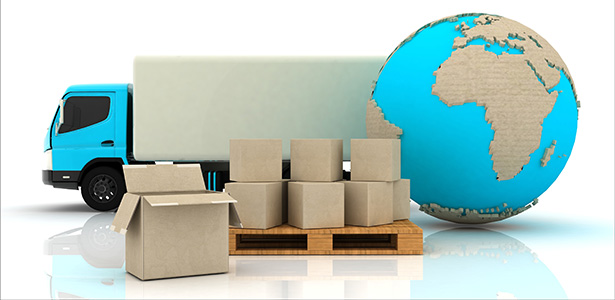
Compatible shipments are grouped according to destination, transportation schedule, cargo characteristics, and customer requirements.
The combined shipment is then prepared for transportation.
Main Transportation
The consolidated cargo is transported to the destination country or regional distribution center.
Cargo Deconsolidation
Upon arrival, the shipment is separated into individual consignments and delivered to the final customers.
Industries That Benefit Most
Freight consolidation is particularly valuable for industries that ship relatively small but frequent orders.
These include:
- E-commerce.
- Consumer goods.
- Electronics.
- Fashion and apparel.
- Automotive components.
- Healthcare products.
- Industrial manufacturing.
Companies importing components from multiple suppliers can also significantly reduce logistics costs through consolidation programs.
Challenges of Freight Consolidation
Despite its advantages, freight consolidation requires careful planning.
Shipment Coordination
Consolidation depends on multiple shipments arriving within similar timeframes.
If one shipment is delayed, the entire consolidated load may be affected.
Inventory Planning
Businesses must balance transportation savings against inventory requirements.
Waiting for additional cargo to consolidate may increase overall lead time.
Cargo Compatibility
Not all products can be consolidated together.
Hazardous materials, temperature-controlled products, oversized cargo, and high-value shipments often require separate handling procedures.
Technologies Supporting Freight Consolidation
Modern logistics providers increasingly rely on digital technologies to optimize consolidation activities.
Transportation Management Systems (TMS) automatically identify compatible shipments based on destination, delivery schedules, and available capacity.
Artificial Intelligence can recommend optimal consolidation opportunities while balancing transportation costs and delivery performance.
Real-time shipment visibility also allows logistics managers to monitor cargo movement throughout the entire consolidation process.
These technologies improve operational efficiency while reducing manual planning efforts.
Best Practices for Businesses
Organizations seeking to improve freight consolidation should consider several best practices:
- Plan shipments in advance whenever possible.
- Share accurate shipment forecasts with logistics providers.
- Standardize packaging dimensions.
- Use integrated transportation management systems.
- Work with experienced freight forwarders that operate established consolidation networks.
These practices help maximize transportation efficiency without compromising service quality.
Conclusion
Freight Consolidation has evolved into one of the most effective strategies for improving logistics performance in today’s global supply chains.
By combining shipments, businesses can reduce transportation costs, improve equipment utilization, lower environmental impact, and enhance overall supply chain efficiency.
As global trade becomes increasingly complex, companies that successfully implement freight consolidation will be better positioned to improve profitability, strengthen operational resilience, and deliver greater value to their customers.
See More
What Is Supply Chain Visibility? Why Businesses Need End-to-End Visibility Across Their Supply Chain
What Is Last-Mile Delivery? Why the Final Mile Matters Most in Logistics
