
Contents
What Is a Freight Forwarder? Understanding the Role Behind Global Shipping
International trade depends on more than ships, airplanes, and trucks. Behind every successful international shipment is a network of professionals responsible for planning, coordinating, and managing the entire transportation process.
One of the most important players in this network is the Freight Forwarder.
Although many businesses work with freight forwarders every day, their role is often misunderstood. A freight forwarder does much more than simply book transportation. They help businesses move goods across borders efficiently while reducing risks and improving supply chain performance.
What Is a Freight Forwarder?
A freight forwarder is a logistics company that organizes and manages the transportation of goods on behalf of importers and exporters.
Instead of operating as the actual carrier, a freight forwarder coordinates every stage of the shipping process. This includes selecting transportation modes, arranging bookings, preparing shipping documents, managing customs procedures, and monitoring cargo throughout its journey.
Their primary objective is to ensure shipments reach their destination safely, efficiently, and on schedule.
What Services Does a Freight Forwarder Provide?
Freight forwarders offer a wide range of logistics solutions.
Transportation Planning
Every shipment has unique requirements.
A freight forwarder evaluates factors such as cargo size, destination, transit time, and budget before recommending the most suitable transportation solution.
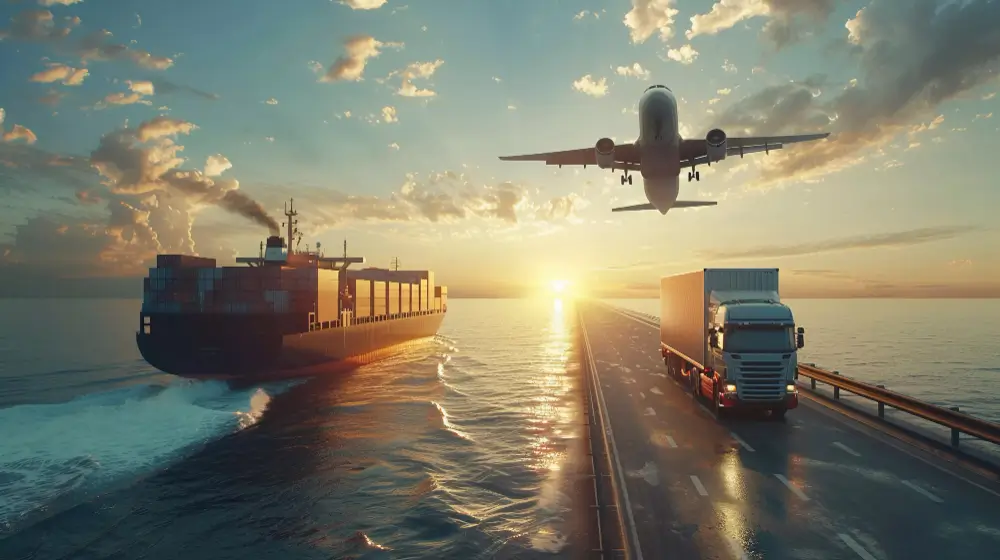
This may involve air freight, ocean freight, rail transport, road transportation, or multimodal logistics.
Documentation Management
International shipping requires numerous documents.
Freight forwarders prepare and verify paperwork such as commercial invoices, packing lists, bills of lading, airway bills, certificates of origin, and customs declarations.
Accurate documentation helps prevent costly delays.

Customs Coordination
Customs regulations vary from one country to another.
Experienced freight forwarders work closely with customs authorities and licensed brokers to ensure shipments comply with local import and export requirements.
Cargo Tracking
Modern logistics platforms allow freight forwarders to monitor shipments throughout the transportation process.
Customers receive shipment updates, allowing them to plan inventory and production more effectively.
Risk Management
Unexpected disruptions such as weather conditions, port congestion, customs inspections, or flight cancellations can affect delivery schedules.
Freight forwarders help businesses respond quickly by adjusting transportation plans and identifying alternative solutions.
Why Do Businesses Work with Freight Forwarders?
Managing international logistics independently can be challenging.
Businesses must understand customs regulations, transportation schedules, international documentation, and local requirements in multiple countries.
A freight forwarder simplifies this complexity.
Working with an experienced logistics partner allows businesses to focus on production, sales, and customer service while transportation professionals manage the supply chain.
Freight Forwarder vs. Carrier
These two roles are often confused, but they serve different purposes.
A carrier physically transports cargo using ships, aircraft, trucks, or trains.
A freight forwarder plans and coordinates the shipment by selecting carriers, arranging transportation, preparing documents, and managing communication between all parties involved.
In simple terms, the carrier moves the cargo, while the freight forwarder manages the logistics behind the movement.
Technology Is Changing Freight Forwarding
Digital transformation has significantly improved freight forwarding operations.
Cloud-based logistics platforms, Artificial Intelligence (AI), Internet of Things (IoT), and real-time tracking systems allow freight forwarders to provide greater shipment visibility and faster decision-making.
Automation also reduces paperwork and improves operational efficiency throughout the supply chain.
The Future of Freight Forwarding
As global trade continues to expand, freight forwarders are becoming strategic partners rather than simple transportation coordinators.
Today’s businesses expect logistics providers to deliver greater visibility, sustainability, digital integration, and supply chain resilience.
Freight forwarders who embrace technology and innovative logistics solutions will continue to play a critical role in international commerce.
Conclusion
A freight forwarder serves as the central coordinator of international logistics operations.
From transportation planning and customs documentation to cargo tracking and risk management, freight forwarders help businesses navigate the complexities of global trade.
In an increasingly connected world, choosing the right freight forwarding partner is no longer just about moving goods—it is about building a faster, more reliable, and more resilient supply chain.
See more
Shipping Food to Australia: 7 Essential Tips for Fast and Safe Customs Clearance
Shipping Instant Noodles to South Korea: Latest Regulations and Tips for Fast Customs Clearance
