
Contents
Japan’s Demand for Vietnamese Wood Products: Shipping Solutions and Market Potential
Japan has long been one of the most important trading partners for Vietnam, especially in the wood and furniture industry. As Japanese consumers continue to seek high-quality, sustainable, and affordable wooden products, Vietnamese manufacturers have emerged as reliable suppliers capable of meeting these demands. From indoor furniture and wooden handicrafts to construction materials and decorative items, Vietnamese wood products have gained significant popularity in the Japanese market.
With growing trade volumes between the two countries, efficient logistics and shipping solutions play a crucial role in ensuring that products reach customers safely and on time. Understanding Japan’s demand for Vietnamese wood products, along with the transportation requirements and market opportunities, can help exporters and logistics providers maximize their success in this promising market.

Why Japan Is an Attractive Market for Vietnamese Wood Products
Strong Demand for Quality Wooden Products
Japan is known for its appreciation of craftsmanship, durability, and aesthetic design. Wooden furniture and interior products remain highly valued in Japanese homes, offices, hotels, and commercial spaces. As the country’s construction and renovation sectors continue to develop, demand for imported wood products remains stable.
Vietnamese manufacturers have successfully positioned themselves as trusted suppliers due to their ability to produce high-quality products that meet Japanese standards while maintaining competitive pricing.
Limited Domestic Timber Resources
Although Japan has domestic forestry resources, the country still relies heavily on imported wood materials and finished wood products to satisfy market demand. Importing from Vietnam allows Japanese businesses to access a wide range of products at reasonable costs without compromising quality.
Strong Trade Relations Between Vietnam and Japan
Vietnam and Japan have established strong economic and trade partnerships through various bilateral and regional trade agreements. These agreements facilitate smoother import-export procedures, making it easier for Vietnamese businesses to access the Japanese market.
As a result, wood product exports from Vietnam to Japan continue to experience steady growth year after year.
Popular Vietnamese Wood Products Exported to Japan
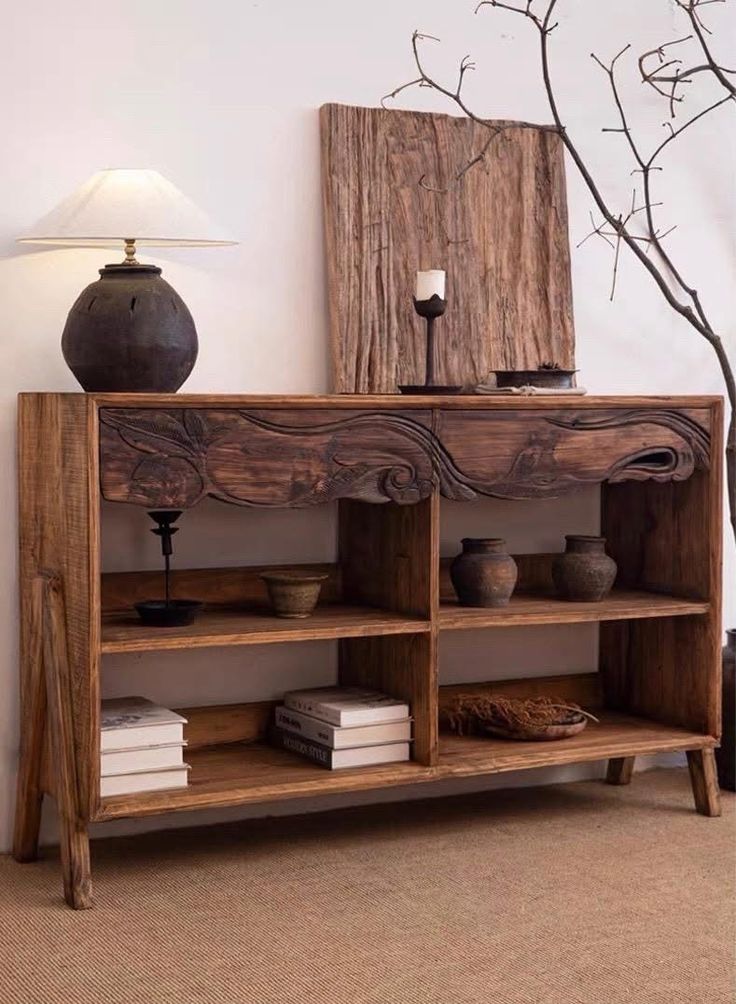
Wooden Furniture
Furniture remains one of the most sought-after categories in Japan. Vietnamese exporters supply:
- Dining tables and chairs
- Bedroom furniture
- Cabinets and wardrobes
- Office furniture
- Outdoor furniture
Japanese consumers value furniture that combines functionality, durability, and minimalist design, areas where Vietnamese manufacturers excel.
Wooden Handicrafts
Traditional Vietnamese handicrafts have gained attention among Japanese consumers who appreciate handmade and artistic products.
Popular items include:
- Wooden sculptures
- Decorative ornaments
- Gift items
- Traditional handicraft products
- Home décor accessories

Wooden Construction Materials
The construction industry in Japan requires a continuous supply of quality wood products, including:
- Flooring materials
- Plywood
- Wooden panels
- Structural wood components
- Interior finishing materials
Vietnamese suppliers provide competitive alternatives to products sourced from other regions.
Kitchen and Household Products
Wooden kitchenware and household accessories are increasingly popular due to the growing preference for environmentally friendly products.
Common exports include:
- Cutting boards
- Wooden trays
- Utensils
- Storage boxes
- Serving accessories

Market Trends Driving Demand
Sustainability and Eco-Friendly Consumption
Japanese consumers are becoming increasingly environmentally conscious. Products manufactured from sustainably sourced wood and certified materials attract significant interest.
Vietnamese exporters who adopt responsible forestry practices and obtain international certifications can gain a competitive advantage in the Japanese market.
Growing Home Improvement Sector
As more homeowners invest in renovating living spaces, demand for quality furniture and decorative wooden products continues to increase. This trend creates additional opportunities for Vietnamese manufacturers and exporters.
Expansion of E-Commerce
Online shopping has transformed consumer behavior in Japan. Furniture retailers and home décor businesses increasingly rely on imported products sold through e-commerce platforms.
This shift creates demand not only for products but also for reliable international shipping solutions capable of supporting efficient supply chains.
Challenges When Shipping Wood Products to Japan
Strict Import Regulations
Japan maintains high standards for imported products. Exporters must ensure compliance with regulations regarding:
- Product safety
- Material specifications
- Packaging requirements
- Phytosanitary regulations
- Documentation accuracy
Failure to meet these requirements may result in shipment delays or additional inspection procedures.
Product Protection During Transit
Wood products are susceptible to damage caused by:
- Moisture
- Temperature fluctuations
- Physical impacts
- Improper handling
Professional packaging and cargo protection measures are essential for preserving product quality throughout the shipping process.
Documentation Requirements
Exporters must prepare accurate documentation, including:
- Commercial invoices
- Packing lists
- Bills of lading
- Certificates of origin
- Customs declarations
- Inspection certificates when required
Proper documentation ensures smooth customs clearance and minimizes delays.
Shipping Solutions for Vietnamese Wood Products
Sea Freight
Sea freight remains the most popular shipping method for large-volume wood exports to Japan.
Advantages include:
- Cost-effective transportation
- Suitable for bulky cargo
- Large shipment capacity
- Reliable scheduling
Sea freight is ideal for furniture manufacturers and exporters handling containerized shipments.
Air Freight
For urgent shipments or high-value products, air freight offers several benefits:
- Faster transit times
- Enhanced security
- Reduced inventory holding costs
- Quick delivery for sample products
Although more expensive than sea freight, air transport can be valuable for time-sensitive shipments.
Less-than-Container Load (LCL) Shipping
Small and medium-sized exporters may choose LCL shipping when they do not have enough cargo to fill an entire container.
Benefits include:
- Lower shipping costs
- Flexible shipment sizes
- Access to international markets without large inventory commitments
Door-to-Door Delivery Services
Many logistics providers now offer comprehensive door-to-door shipping solutions that include:
- Cargo collection
- Packaging support
- Customs clearance
- International transportation
- Final delivery
These services simplify the export process and allow businesses to focus on production and sales activities.
Packaging Requirements for Wood Product Exports
Moisture Protection
Wood products should be protected from humidity during transportation. Common methods include:
- Moisture-resistant wrapping
- Plastic covers
- Desiccants
- Sealed packaging
Secure Palletization
Proper palletization helps prevent movement and damage during handling and transportation.
Reinforced Packaging
Fragile furniture and decorative items should be packaged using:
- Foam padding
- Protective corner guards
- Wooden crates
- Shock-absorbing materials
Investing in quality packaging reduces the risk of damage claims and customer dissatisfaction.
Customs Clearance and Regulatory Compliance
Understanding Japanese Customs Procedures
Importers and exporters must comply with Japanese customs regulations to ensure smooth cargo clearance.
Key considerations include:
- Accurate product descriptions
- Correct tariff classifications
- Proper valuation declarations
- Compliance with applicable standards
Certificates and Documentation
Certain wood products may require additional documentation to verify legality, origin, or treatment processes.
Working with experienced logistics providers can help businesses navigate these requirements efficiently.
Opportunities for Vietnamese Exporters
Rising Demand for Sustainable Products
The growing popularity of eco-friendly products presents significant opportunities for Vietnamese exporters who can demonstrate responsible sourcing and environmental compliance.
Increasing Consumer Interest in Asian Designs
Japanese consumers often appreciate natural materials and minimalist aesthetics. Vietnamese wood products align well with these preferences, creating favorable market conditions.
Business-to-Business Opportunities
Hotels, restaurants, offices, and retail chains continuously seek quality furniture and interior products. Establishing partnerships with Japanese distributors and wholesalers can generate long-term growth opportunities.
Expanding Market Reach Through Logistics Improvements
Advancements in international logistics networks make it easier than ever for Vietnamese businesses to access customers across Japan. Faster transit times and improved shipping services contribute to stronger competitiveness in the market.
Choosing the Right Logistics Partner
Selecting a reliable shipping provider is critical when exporting wood products to Japan.
Important factors to consider include:
- Experience in wood product transportation
- Customs clearance expertise
- Competitive pricing
- Shipment tracking capabilities
- Packaging support services
- Customer service quality
A trusted logistics partner can help reduce transportation risks, improve delivery performance, and enhance customer satisfaction.
Conclusion
Japan remains one of the most promising export destinations for Vietnamese wood products. The country’s strong demand for quality furniture, household items, handicrafts, and construction materials creates substantial opportunities for Vietnamese manufacturers and exporters.
However, success in this market requires more than high-quality products. Businesses must also ensure compliance with Japanese regulations, invest in secure packaging, and partner with experienced logistics providers capable of delivering efficient shipping solutions.
As trade relations between Vietnam and Japan continue to strengthen, companies that combine product excellence with reliable transportation strategies will be well-positioned to capture long-term growth and maximize their potential in this highly attractive market.
Read More:
Send Documents to the USA Quickly & Securely | Trusted International Courier Service
Secure Document Shipping to Taiwan | Fast, Reliable, and Cost-Effective
