
Contents
Why Are Lithium Batteries Strictly Regulated in Air Cargo?
From smartphones and laptops to electric vehicles and medical equipment, lithium batteries have become an essential part of modern life. Every day, millions of these batteries are transported across the globe to support international trade.
Despite their widespread use, lithium batteries are considered one of the most tightly regulated commodities in air transportation. Airlines, freight forwarders, and shippers must follow strict international standards before these products are accepted for carriage.
So, why do lithium batteries require such special handling?
What Makes Lithium Batteries Different?
Lithium batteries are highly efficient energy storage devices. They provide high energy density while remaining lightweight, making them ideal for portable electronics.
However, under certain conditions, they can become hazardous.
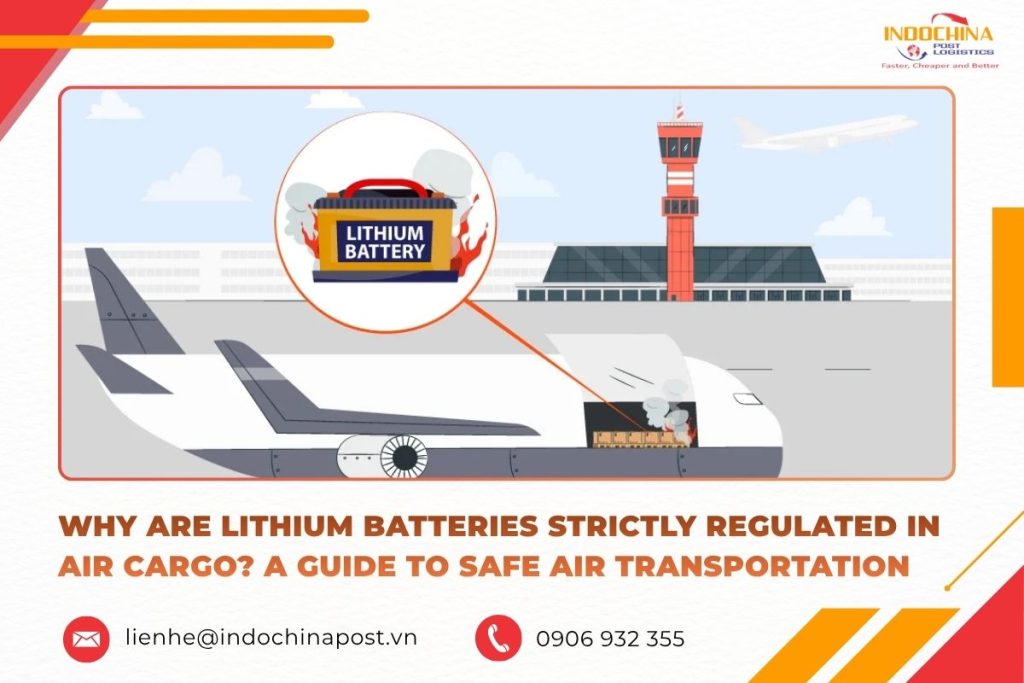
Physical damage, manufacturing defects, overcharging, or exposure to extreme temperatures may trigger thermal runaway—a chain reaction that generates intense heat and, in severe cases, fire.
Because fires involving lithium batteries are difficult to extinguish during flight, aviation authorities apply strict transportation requirements.

Why Are Lithium Batteries Classified as Dangerous Goods?
Not every lithium battery shipment is prohibited from air transport.
Instead, they are classified as Dangerous Goods (DG) and must comply with international regulations established by organizations such as the International Civil Aviation Organization (ICAO) and the International Air Transport Association (IATA).
Depending on factors such as battery type, capacity, quantity, and whether the batteries are installed in equipment or shipped separately, different packaging and documentation requirements apply.
These regulations help reduce potential risks throughout the transportation process.
How Are Lithium Batteries Prepared for Air Transport?
Before acceptance, every shipment must meet specific safety requirements.
Proper Packaging
Lithium batteries must be packed to prevent movement, impact, and short circuits.
Protective materials are often used to isolate battery terminals and reduce the risk of accidental contact.
Accurate Labeling
Packages containing lithium batteries require appropriate handling labels and markings.
These labels allow airlines and ground handling personnel to identify the shipment quickly and apply the correct procedures.

Documentation
Some shipments require additional declarations or supporting documents depending on the battery classification and applicable regulations.
Accurate documentation helps ensure compliance and reduces delays during cargo acceptance.
Trained Personnel
Only personnel who have received Dangerous Goods training should prepare, inspect, or accept lithium battery shipments.
Proper training plays a critical role in maintaining aviation safety.
What Happens at the Airport Cargo Terminal?
Once the shipment arrives at the cargo terminal, it goes through several inspection stages before loading.
Cargo handling staff verify packaging conditions, labels, documentation, and compliance with airline acceptance requirements.
Security screening is also conducted before the shipment enters the aircraft loading process.
Only shipments that satisfy all safety standards are approved for transport.
Common Products That Contain Lithium Batteries
Lithium batteries are found in a wide range of consumer and industrial products, including:
- Smartphones
- Laptop computers
- Tablets
- Smartwatches
- Digital cameras
- Power banks
- Medical devices
- Drones
- Electric bicycles
- Electric vehicle components
Because many products contain built-in batteries, shippers should always verify applicable regulations before arranging international transportation.
Best Practices for Shippers
Businesses and individuals shipping lithium battery products by air should follow several key recommendations:
- Use certified packaging materials.
- Ensure batteries are protected against short circuits.
- Verify airline acceptance requirements before shipping.
- Prepare complete and accurate documentation.
- Work with experienced logistics providers familiar with Dangerous Goods regulations.
These precautions help minimize delays and improve transportation safety.
Conclusion
Lithium batteries have transformed modern technology, but they also introduce unique safety challenges for the aviation industry.
Through standardized packaging, proper labeling, trained personnel, and strict regulatory compliance, Air Cargo operators can transport lithium battery shipments safely and efficiently.
As global demand for battery-powered products continues to grow, understanding these transportation requirements will become increasingly important for manufacturers, exporters, and logistics providers alike.
See more
Shipping Food to Australia: 7 Essential Tips for Fast and Safe Customs Clearance
Shipping Instant Noodles to South Korea: Latest Regulations and Tips for Fast Customs Clearance
