
Contents
Sending Vietnamese Mangoes to India: Packaging and Shipping Guidelines
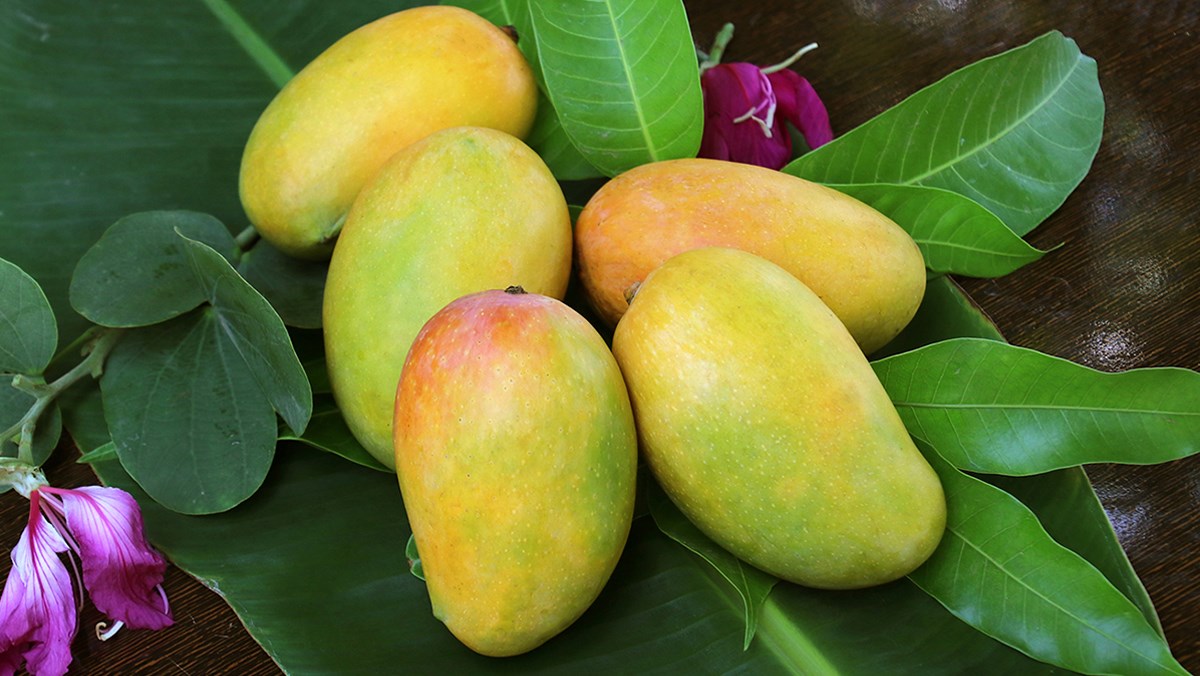
Vietnamese mangoes are known for their distinctive flavor and are increasingly attracting attention in international markets. When shipping fresh mangoes overseas, careful preparation is important to maintain product quality throughout transportation.
India has specific requirements for imported agricultural products. For fresh mangoes, phytosanitary regulations and product quality standards should be checked before shipping.
Besides import procedures, packaging also plays an important role in protecting mangoes during transportation. If the temperature, humidity, or shipping time is not properly controlled, mangoes may ripen too quickly or suffer from quality loss.
So, what should you prepare when sending mangoes from Vietnam to India? Let’s take a look at the important considerations below.
What Should You Know Before Sending Fresh Mangoes to India?
Fresh mangoes have a limited shelf life, so transportation requires careful control of temperature, humidity, and delivery time.
Agricultural products may also be subject to phytosanitary requirements in the destination country. For mango exports, these requirements may involve product inspection, traceability, testing, packaging, and phytosanitary certification.
Therefore, shippers should not only consider shipping costs. Import requirements for each shipment should be checked in advance to avoid unexpected problems during customs clearance.
How to Choose Mangoes for Shipping to India?
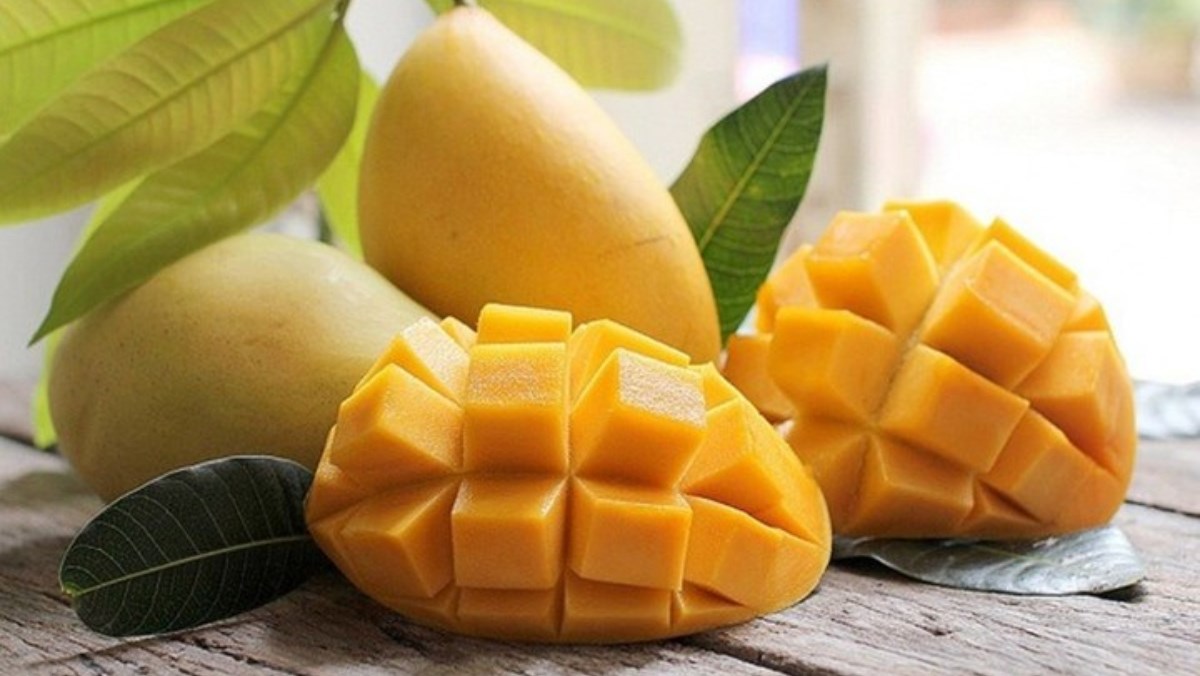
Mangoes intended for long-distance transportation should be carefully selected from the beginning.
The fruits should have relatively uniform quality and should not show signs of bruising, cracking, pests, or disease. Mangoes that are already overripe should be avoided because they can become soft and easily damaged during transportation.
Before packaging, mangoes should be sorted according to size, ripeness, and overall condition. Damaged or poor-quality fruits should be removed.
Proper selection and classification can help reduce the risk of damage and maintain more consistent product quality throughout the shipment.
How to Pack Mangoes for Shipping to India
1. Inspect and Sort the Mangoes
The first step is to inspect the mangoes for size, ripeness, and external condition.
Fruits with bruises, cracks, or signs of spoilage should be separated. Mangoes in the same package should ideally have similar levels of ripeness to make storage and transportation easier to manage.
2. Clean and Prepare the Fruits
Before packaging, mangoes should be properly cleaned and prepared.
The surface of the fruit should be free from soil and other contaminants. For export shipments, the preparation process should comply with the requirements of the destination country and the relevant phytosanitary authorities.
3. Use Suitable Packaging
Mangoes should be packed in strong boxes or containers suitable for fresh agricultural products.
The packaging needs to provide sufficient protection during handling, loading, unloading, and transportation.
Mangoes should not be packed too tightly because excessive pressure can cause bruising. Proper spacing between fruits can help reduce physical damage.
Packaging with ventilation holes may also be considered to support airflow during transportation and storage.
Is a Phytosanitary Certificate Required for Mangoes Sent to India?
Phytosanitary requirements are an important issue when exporting fresh agricultural products.
Depending on the shipment and applicable regulations, mango exports may involve inspections, residue testing, traceability requirements, packaging controls, and a Phytosanitary Certificate.
However, the exact requirements for shipping mangoes from Vietnam to India should be checked according to the current regulations of Indian authorities. Requirements can vary depending on the origin, product, shipment type, and importer.
For commercial shipments, exporters should confirm the necessary permits, phytosanitary documents, import conditions, and other required paperwork before shipping.
How to Keep Mangoes in Good Condition During Transportation?
Temperature is one of the key factors affecting the quality of fresh mangoes.
If mangoes are stored under unsuitable conditions, they may ripen too quickly or lose their quality during transportation.
For international shipments, the transportation method should be selected based on the type of mango, level of ripeness, expected transit time, and storage requirements.
For shipments that require temperature control, an appropriate cold-chain transportation solution may be considered. Temperature management should be planned from the packaging stage until the shipment is delivered to the recipient.
Air Freight or Sea Freight: Which Is Better for Shipping Mangoes to India?
The appropriate transportation method depends on the quantity, product condition, and required delivery time.
Air Freight
Air freight is generally suitable for shipments that require a shorter transportation time. It can be considered for fresh mangoes with a limited shelf life or shipments that need faster delivery.
Sea Freight
Sea freight can be suitable for larger shipments. However, transportation takes longer, so proper packaging, storage conditions, and quality control become particularly important.
Before choosing a transportation method, shippers should consider the quantity of mangoes, ripeness, expected transit time, and destination requirements.
Documents to Prepare When Sending Mangoes to India
Depending on the shipment type and import requirements, exporters may need to prepare several documents related to the goods and phytosanitary procedures.
Common documents may include:
- Commercial Invoice
- Packing List
- Transportation documents
- Certificate of Origin, if required
- Phytosanitary Certificate
- Quality and phytosanitary inspection documents
- Other documents required by Indian authorities
The actual documentation may vary depending on the type of mango, shipment purpose, and applicable import regulations. Therefore, requirements should be confirmed before the shipment is sent.
Important Tips When Shipping Mangoes to India
Fresh mangoes should be handled carefully from the harvesting stage. Avoid strong impacts or pressure before packaging.
The shipping box should be strong enough to protect the fruits during transportation. Mangoes should also be arranged with sufficient space to reduce the risk of bruising.
Transit time is another important factor. The longer mangoes remain in transportation, the higher the risk of over-ripening or quality deterioration.
Most importantly, do not ship fresh mangoes internationally without checking the phytosanitary and import requirements of the destination country. Agricultural products may be held, rejected, or delayed if they do not meet the required conditions.
Conclusion
Sending Vietnamese mangoes to India requires careful preparation from fruit selection and packaging to documentation and transportation.
Because fresh mangoes can ripen quickly and are susceptible to physical damage, controlling transportation time and storage conditions is essential.
Shippers should also pay close attention to phytosanitary requirements and other import documents. Checking the applicable regulations before shipping can help reduce risks and avoid unnecessary delays.
With proper product selection, suitable packaging, appropriate transportation, and complete documentation, Vietnamese mangoes can be better protected throughout their journey to India.
Da Nang Launches 3 New Direct Flights Connecting Major Cities in India
Send Documents to the USA Quickly & Securely | Trusted International Courier Service
